ForgeTax Relic Machine: Tickets, Conversion & Planning
ForgeTax relic machine guide: how sword-to-relic conversion works, draw ticket economics, the resource competition table, and when investing blades pays off.
The ForgeTax relic machine converts sword value into long-term run power. Feed it blades and draw tickets, and it returns relics — the permanent upgrades that make every later forge safer and more profitable. It is also the system most likely to eat a run's tribute blade, which is why this guide spends as much time on when not to invest as on how the machine works.
What the Machine Does
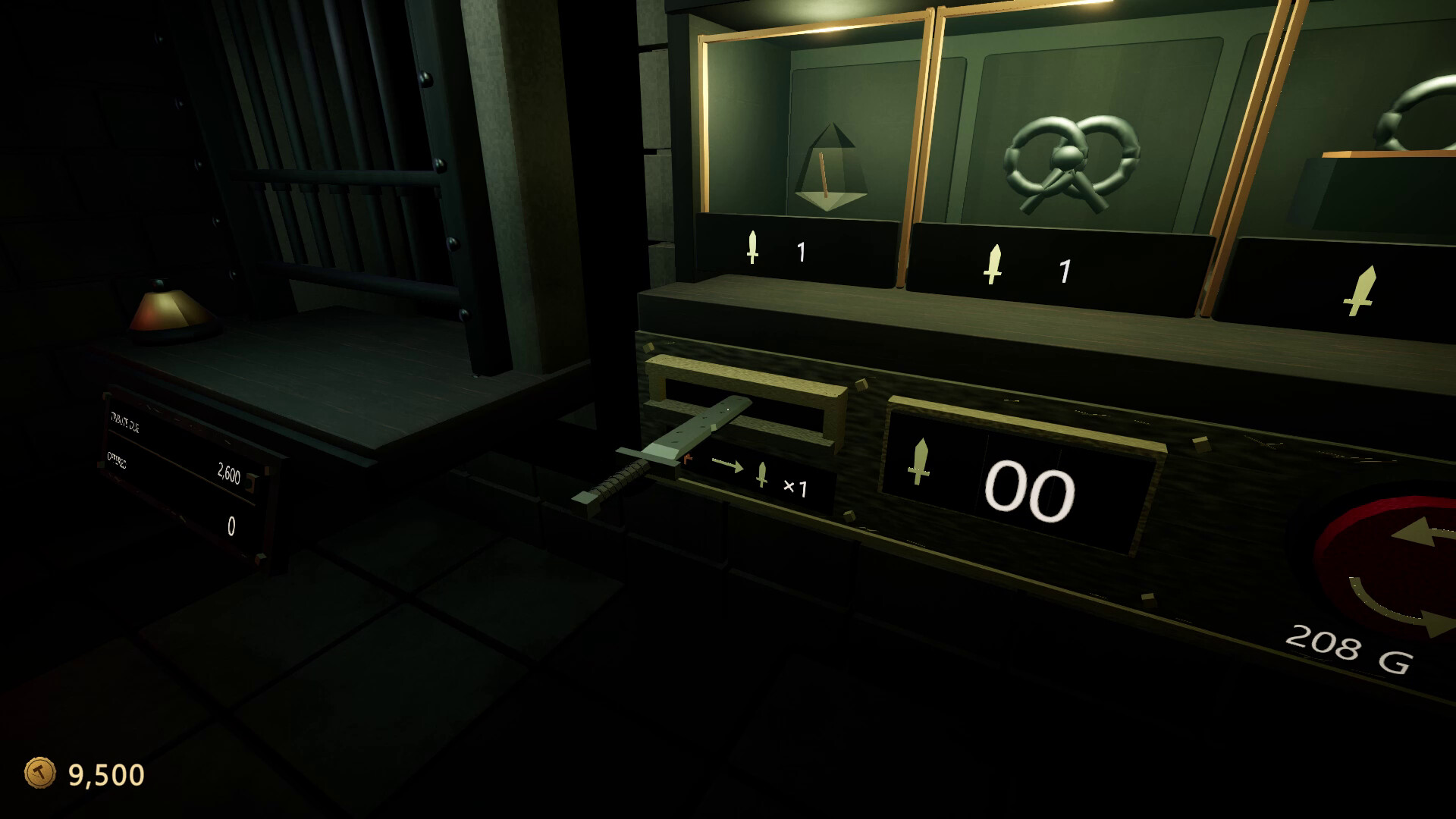
The relic machine takes completed swords and draw tickets as input and outputs relics plus conversion effects. Relics are permanent for the run, which makes the machine the only place where a blade's value survives past the current forge — everything else (sales, tributes) spends the value once.
The catch is resource competition: the machine bids for the same blades the tribute and the shop want. A sword fed to the machine cannot pay the tribute, and a ticket spent on a pull cannot solve a mid-run bottleneck. Every machine decision is a reallocation decision.
The Conversion Rule That Matters
The dragon states the exchange rule directly: no matter what sword you bring, the value counts the same. Conversion weight depends on the blade's grade and value, not its shape or family. A triple-priced merchant blade and an ordinary blade at the same grade convert identically.
The strategic consequence is exact: never feed a merchant sword into the machine. Its double value is a tribute and sale premium that the machine does not honor. Convert common blades; sell or reserve the premium ones.
Decision Rules Before You Feed It
The community's machine discipline fits in four rules:
- Invest a sword only when the relic clearly improves the current plan — higher forging income, lower break cost, or tribute support.
- Never sacrifice a reliable or tribute-qualifying blade for a marginal relic.
- Compare the blade's guaranteed value against the relic's expected benefit before committing.
- Choose a relic direction before feeding the machine — a plan-less pull is a lottery ticket, not an investment.
The fourth rule is the most violated. "Choose a relic direction before feeding the machine" exists because the machine's output is only as good as the plan receiving it.
Draw Tickets: The Flexible Input
Draw tickets are the machine's flexible currency — used for relic pulls and resource conversion, granted through run progression, and limited in batches. They are the most flexible material in the game and the most commonly wasted.
The ticket rules repeat from every guide worth reading: keep at least one ticket unspent through the mid game, spend tickets to solve named bottlenecks rather than because the machine is open, and treat a saved ticket as an option no other material can replace.
The Resource Competition Table
The machine's place in the wider economy, from the community's materials framework:
| Resource | Main use | Risk | Renewability |
|---|---|---|---|
| Blades in progress | Value growth per strike | High — can break | New blades each run |
| Completed sword value | Cash, tribute, relic input | Low once locked | Depends on forging |
| Relic machine output | Long-term run power, synergies | Medium investment cost | Limited batches |
| Draw tickets | Relic pulls, conversion | Low–medium | Granted by progress |
| Tribute reserve | Surviving the deadline | Low if prepared | Rebuilt every cycle |
Read the table as a flow: blades become value, value becomes either tribute safety or relic power, and relic power makes the next cycle of blades cheaper to forge. The machine is the only leg of that loop that compounds.
Common Machine Mistakes
Three patterns burn runs. Impulse feeding — using the machine because it exists, on blades the tribute needed. Direction-less pulls — spending tickets with no build plan, ending with relics that don't combine. And starving the mid game — skipping the machine entirely, then facing late tributes with un-upgraded forging because early relic investments were never made.
The timing sweet spot recorded by players: start feeding surplus blades once the tribute reserve is locked and a direction is named. That position gets the compounding started without ever betting the deadline.
Key Takeaways
The machine is an investment account, not a vending machine. Convert common blades by plan, protect premium and qualifying blades, keep a ticket reserve, and measure every pull against the current run's bottleneck. Note that at least one achievement involves the machine's ticket and relic systems, so plan one deliberate machine session for completion purposes — machine interactions alone may not count without the ticket usage completed.
Related Guides
ForgeTax Relic Synergy: Build Framework & Tier Guide
ForgeTax relic synergy guide: the four relic engines, the S/A/B/C tier framework, pairing rules, and how to build stable relic plans for every run type.
ForgeTax Relics: Every Relic Effect by Category
ForgeTax relics database: every relic effect by category — Success, Great, Hold, Damage, Break, protection, Frenzy, value, economy — from game files.